
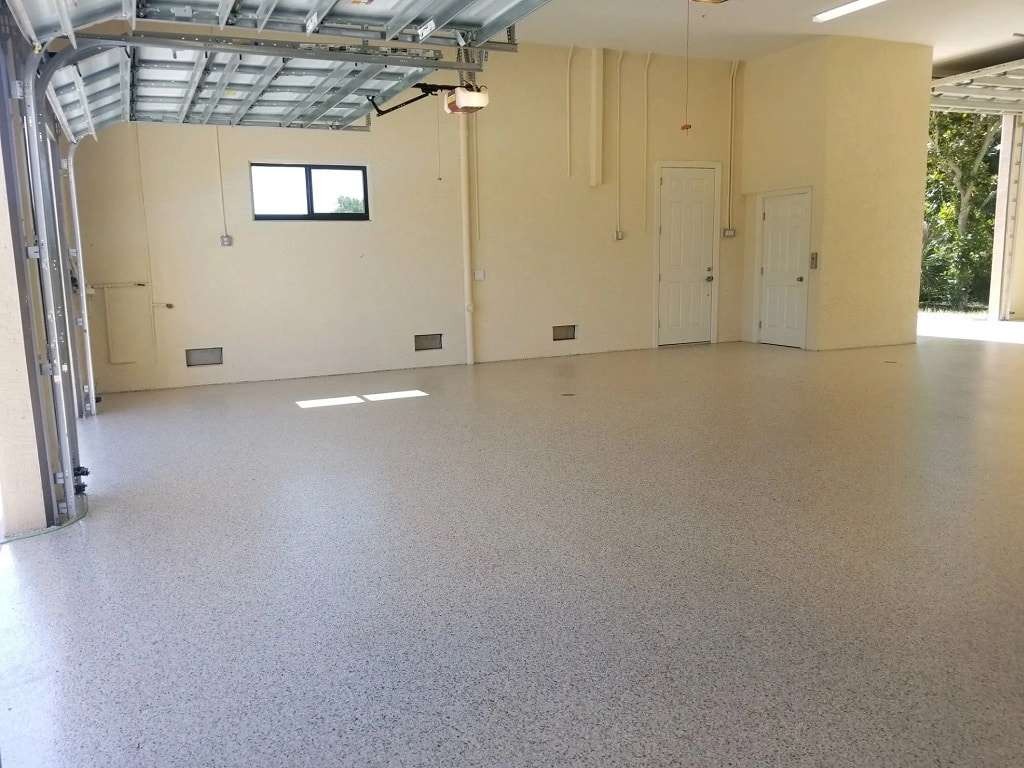
One of the most common questions I get from homeowners across Southwest Florida is simple but important: should I go with polished concrete or a polyaspartic floor coating? As the owner of Floor Coating Specialist, I’ve worked on hundreds of residential and commercial projects, and I can tell you there’s no one-size-fits-all answer. The right choice depends on how you live, how you use the space, and how Florida’s climate affects your floors every single day.
Our homes take a beating here. Between heat, humidity, sand, moisture, and heavy foot traffic, traditional flooring systems often fail far sooner than homeowners expect. When concrete starts to stain, crack, or look worn, people realize it’s time for a durable flooring solution that actually holds up.
The Problem with Traditional Floors in Florida Homes
Florida’s environment exposes the weaknesses in many common flooring options. Tile grout discolors, coatings peel, and unfinished concrete absorbs moisture and stains. Garages, patios, and even interior living spaces often suffer from dusting concrete, surface cracks, and moisture intrusion.
I regularly meet homeowners who are frustrated after spending money on floors that looked good initially but didn’t last. In garages, hot tires cause peeling. In living areas, humidity leads to discoloration. On patios and pool decks, UV exposure breaks down low-quality coatings.
This is where professional Residential Floor Coatings make a real difference. The right system doesn’t just improve appearance—it protects the concrete itself.
The Opportunity: Floors That Match Your Lifestyle
When homeowners choose the right concrete flooring system, everything changes. Floors become easier to clean, more resistant to moisture, and visually striking. Instead of fighting your floors, they start working for you.
Both Polished Concrete Floors and Polyaspartic Floor Coating systems offer long-lasting performance when installed correctly. The key is understanding what each option does best and where it shines.
My job isn’t to push one solution over another. It’s to help homeowners choose the floor that makes sense for how they live.
What Polished Concrete Brings to a Florida Home
Polished concrete is one of the most durable and low-maintenance flooring options available. It involves mechanically grinding and polishing the existing concrete slab to a smooth, high-gloss or satin finish.
In Florida homes, polished concrete works exceptionally well for interior living spaces. It resists moisture, doesn’t trap allergens, and reflects light beautifully, which helps keep rooms bright and cool.
Through professional Concrete Polishing Services, we transform ordinary slabs into seamless, modern surfaces. There’s no coating to peel and no grout lines to maintain. With proper Concrete Floor Sealing, polished concrete becomes stain-resistant and incredibly easy to clean.
Homeowners who want a minimalist, modern aesthetic often love polished concrete because it feels timeless and architectural.
The Benefits of Polyaspartic Floor Coatings
Polyaspartic flooring is one of the most advanced coating systems available today. It’s a fast-curing, high-performance solution that’s ideal for garages, patios, lanais, and other high-traffic areas.
A professionally installed Polyaspartic Floor Coating creates a seamless, moisture-resistant surface that stands up to Florida heat, humidity, and UV exposure. Unlike traditional epoxy, polyaspartic coatings cure quickly, allowing spaces to be used in as little as one day.
For garages, polyaspartic systems offer excellent resistance to hot tire pickup, chemicals, and abrasion. That’s why we specialize in Garage Floor Coatings that are built to last.
Comparing Performance: Epoxy, Polished Concrete, and Polyaspartic
Homeowners often ask about epoxy as well, and it’s important to understand the differences. Epoxy Floor Coating systems can still be effective in certain applications, especially when combined with proper surface preparation.
However, when comparing Epoxy vs. Polyaspartic Flooring, polyaspartic systems generally offer better UV stability, faster cure times, and superior moisture tolerance—critical advantages in Florida.
Polished concrete, on the other hand, isn’t a coating at all. It’s a transformation of the slab itself. That’s why it performs differently and excels in interior environments.
Choosing the Right Floor Based on How You Use the Space
For interior living areas, kitchens, and open-concept homes, polished concrete often makes the most sense. It provides a clean, modern look with unmatched durability and minimal maintenance.
For garages, workshops, and outdoor-adjacent spaces, polyaspartic systems deliver superior protection and design flexibility. Decorative flakes, custom colors, and slip-resistant textures allow homeowners to personalize their space while maintaining safety.
Outdoor areas like patios and pool decks benefit from moisture-resistant and UV-stable systems designed specifically for Florida conditions. Our Patio Floor Coatings and Pool Deck Coatings are engineered to stay cool, resist slipping, and withstand constant exposure.
Why Surface Preparation Matters More Than the Product
No matter which system you choose, proper Concrete Surface Preparation is the foundation of success. Many failed floors aren’t the result of bad materials—they’re the result of rushed or improper prep.
At Floor Coating Specialist, we take surface preparation seriously. Grinding, repairing, and profiling the concrete ensures proper adhesion and long-term performance. This step is what separates professional flooring installation services from quick, short-lived fixes.
Long-Term Value and Maintenance Considerations
Both polished concrete and polyaspartic floors offer long-lasting floor solutions when installed correctly. Maintenance is minimal compared to tile, wood, or untreated concrete.
Polished concrete requires occasional cleaning and resealing depending on traffic. Polyaspartic systems benefit from routine cleaning and periodic inspections to ensure continued performance.
Either option dramatically reduces long-term repair and replacement costs, making them smart investments for Florida homeowners.